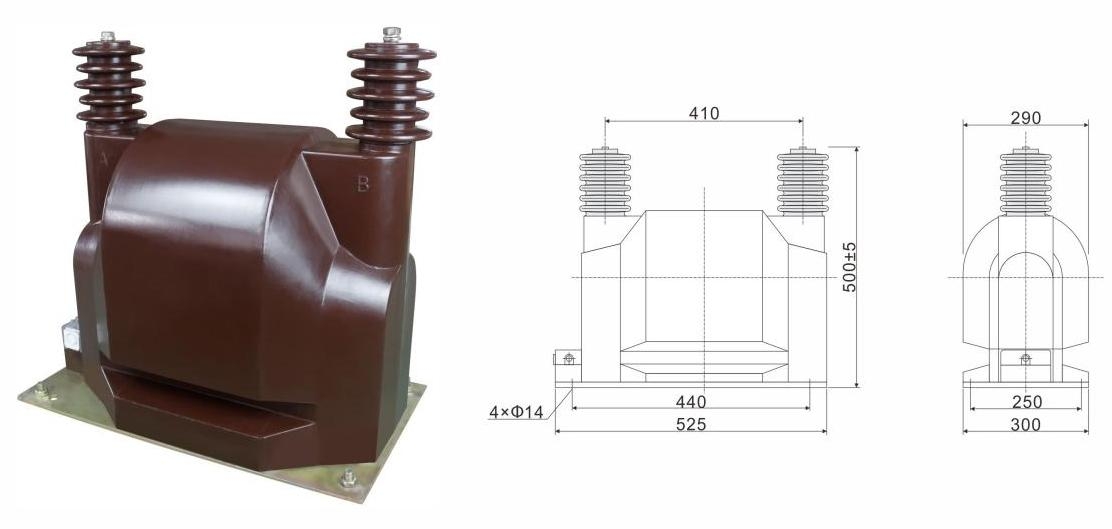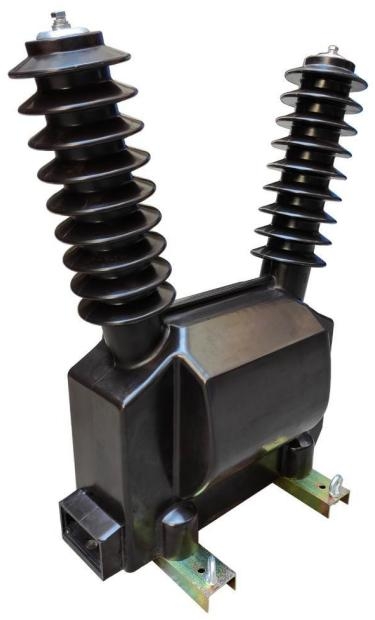
A Professional Selection Guide for Electrical Engineers, Switchgear Manufacturers, and Power Transmission & Distribution Equipment Buyers
In modern power transmission and distribution systems, Current Transformers (CTs) and voltage transformers (VTs/PTs) are essential devices for electrical measurement, energy metering, and relay protection.
For power engineering contractors, switchgear manufacturers, and industrial project buyers, selecting an instrument transformer involves more than just rated voltage or current ratio. Accuracy class, rated burden, insulation level, installation environment, and applicable international technical standards must also be considered.
The key to selecting an instrument transformer is to match its electrical performance, measurement accuracy, and environmental adaptability to the actual project requirements.
This article draws on actual products from Zhejiang VABO Transformer Co., Ltd. (VABO) to explain the main differences between current transformers and voltage transformers, six key selection parameters, and the application of 11 kV and 24 kV instrument transformers in power transmission and distribution systems, providing practical technical guidance for overseas buyers.
1. What Is the Difference Between a Current Transformer and a Voltage Transformer?
Current transformers and voltage transformers are both instrument transformers, but they perform different functions in a power system.
1) Current Transformer (CT): Mainly converts primary current proportionally into a standard secondary current, typically 1 A or 5 A, for measuring instruments, energy metering devices, and relay protection equipment.
2) Voltage Transformer (VT/PT): Mainly converts high primary voltage proportionally into a lower standard secondary voltage, providing voltage signals for voltage measurement, energy metering, and relay protection equipment.
| Comparison Item | Current Transformer (CT) | Voltage Transformer (VT/PT) |
| Main Function | Current measurement | Voltage measurement |
| Secondary Output | Typically 1 A or 5 A | Typically 100 V, 110 V, or other specified voltages |
| Main Applications | Energy metering, current monitoring, relay protection | Voltage monitoring, energy metering, relay protection |
| Key Parameters | Current ratio, accuracy class, rated burden, short-time thermal current, and dynamic current withstand capability | Voltage ratio, accuracy class, rated burden, insulation level |
| Common Installation Locations | Distribution panels, switchgear, substations | Switchgear, substations, voltage monitoring systems |
Both types of instrument transformers provide the electrical signals required by measurement, metering, and protection equipment in power transmission and distribution systems.
Safety Note: For a conventional current transformer, the secondary circuit must not be left open while the primary side is energized. The secondary circuit of a voltage transformer should be provided with short-circuit protection in accordance with the relevant technical requirements.
2. Six Key Technical Parameters to Check Before Selecting an Instrument Transformer
2.1 Rated Voltage and Insulation Level
The first step in instrument transformer selection is to confirm the rated voltage of the power system.
Common medium-voltage distribution systems include:
- 11 kV distribution systems
- 22 kV distribution systems
- 33 kV distribution systems
It is important to note that system nominal voltage, equipment rated voltage, and rated insulation level are not exactly the same concept.
For example, an instrument transformer used in an 11 kV system must not only meet the voltage-level requirement, but also comply with the corresponding power-frequency withstand voltage and lightning impulse withstand voltage requirements.
Procurement Tip: Before ordering, confirm the rated voltage, insulation level, and project insulation coordination requirements. Do not select a product based only on the voltage number.
2.2 Current Ratio or Voltage Ratio
The current ratio is the ratio between the rated primary current and rated secondary current of a current transformer.
For example, for a 600/5 A current transformer:
- Rated primary current: 600 A
- Rated secondary current: 5 A
- Nominal ratio: 120:1
For a voltage transformer, the ratio refers to the relationship between the rated primary voltage and rated secondary voltage.
For example, for a 22000/110 V voltage transformer:
- Rated primary voltage: 22000 V
- Rated secondary voltage: 110 V
- Nominal ratio: 200:1
The selected ratio must match the actual power system and the connected measurement, metering, or protection equipment.
2.3 Accuracy Class
Accuracy class is an important technical indicator of an instrument transformer's measurement performance, especially in energy metering and relay protection applications.
Common metering accuracy classes include:
- Class 0.2S
- Class 0.5S
- Class 0.5
Different types of instrument transformers have different accuracy classifications and technical requirements.
For relay protection applications, protection accuracy class and related performance indicators must also be considered.
Procurement Tip: Clearly identify whether each secondary winding is intended for measurement, metering, or relay protection, and confirm the required accuracy class for each winding.
2.4 Rated Burden (VA)
Rated burden refers to the rated output load under which the secondary winding of an instrument transformer can meet the specified performance requirements. For example, some instrument transformers may provide 10 VA, 15 VA, or other rated burden configurations depending on the model. In actual selection, the following must be considered together:
- Measuring instrument load
- Energy metering equipment load
- Secondary connection lead burden
- Relay protection device requirements
If the secondary-circuit burden is not calculated correctly, measurement accuracy or protection performance may be affected.
2.5 Rated Short-Time Thermal Current and Rated Dynamic Current
For current transformers used in power transmission and distribution systems, fault-current withstand capability is also a very important parameter.
Rated short-time thermal current (Ith): The current that a current transformer can withstand for a specified short period without unacceptable damage caused by thermal effects.
Rated dynamic current (Idyn): The peak current and corresponding electrodynamic effects that a current transformer can withstand under specified conditions.
During procurement, confirm that these two parameters meet project requirements based on the possible system short-circuit current and the protection-system design requirements.
2.6 Installation and Service Environment
Depending on product design, instrument transformers may be installed indoors or outdoors.
Before selection, consider:
- Ambient temperature
- Relative humidity
- Installation altitude
- Pollution level
- Effects of moisture and rain
- Equipment installation dimensions
For power projects in Southeast Asia, environmental adaptability is especially important. Indoor epoxy-resin cast instrument transformers and outdoor oil-immersed instrument transformers may differ significantly in insulation structure, service conditions, and maintenance requirements.
Procurement Tip: Refer to the manufacturer's technical documentation to confirm the service environment for the specific model. Do not assume that all instrument transformers are suitable for high-humidity or outdoor environments.
3. How to Select a Current Transformer for 11 kV Switchgear
Medium-voltage switchgear is widely used in industrial plants, substations, and commercial building distribution systems.
When selecting a current transformer for 11 kV switchgear, buyers should focus on:
- Rated voltage and insulation level.
- Primary-to-secondary current ratio.
- Metering accuracy class and protection accuracy class.
- Rated secondary burden.
- Short-circuit current withstand capability.
- Overall dimensions and mounting method.
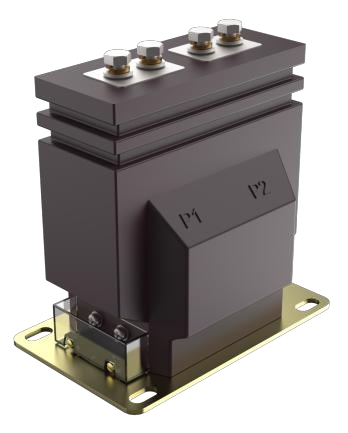
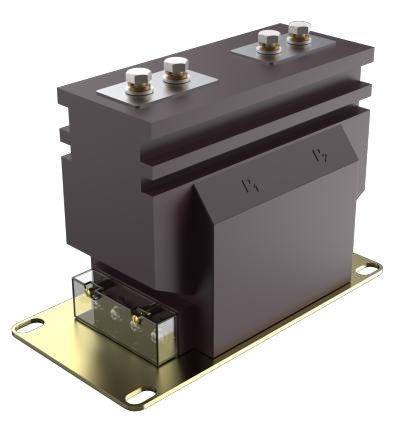
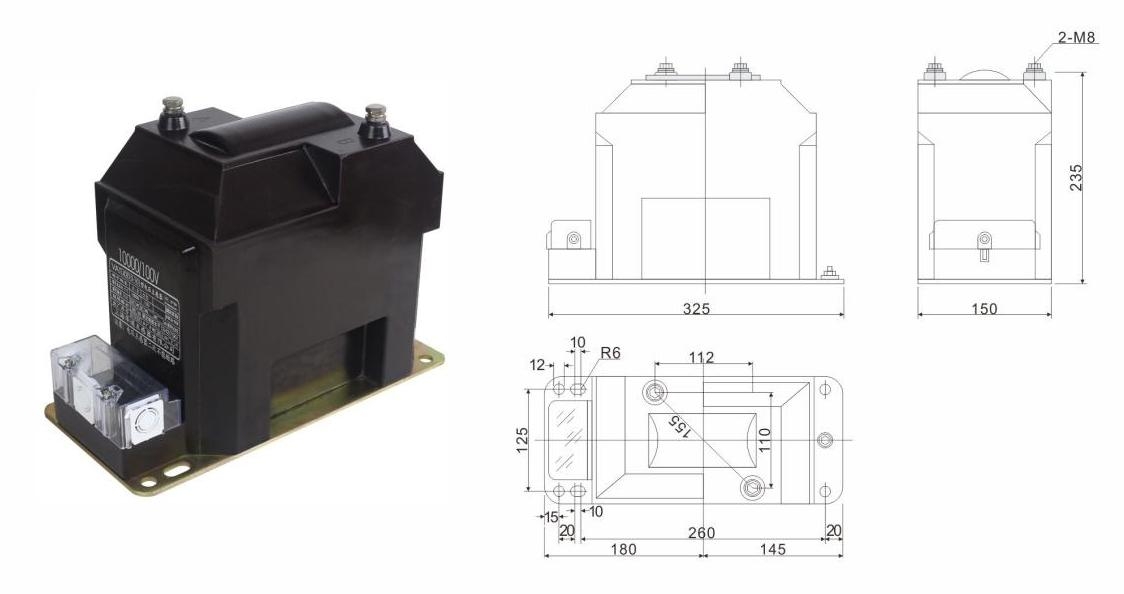
The VABO LZZBJ9-11 is an indoor current transformer suitable for corresponding 11 kV power systems. It is mainly used for:
- Current measurement
- Energy metering
- Relay protection
- Indoor medium-voltage distribution equipment
According to VABO's current product manual, the main technical parameters of this series are as follows:
| Technical Item | Product Parameter |
Model | LZZBJ9-11 |
Installation | Indoor |
Application Voltage Class | 11 kV |
Rated Secondary Current | 5 A or 1 A |
Insulation Level Stated in Manual | 12/42/75 kV |
Accuracy-Class Configuration Example | 0.2S, 0.5, and protection-class combinations |
Reference Standard | IEC 61869-2 |
The specific accuracy-class combination and current ratings should be confirmed against the latest product documentation. Switchgear manufacturers should also pay close attention to the transformer's installation dimensions, busbar arrangement, secondary terminal positions, and protection performance requirements. If you are looking for a current transformer for 11 kV switchgear, you can provide VABO with your project technical parameters and the technical team can help confirm the appropriate model.
4. How to Select a Current Transformer for a 24 kV Power Transmission and Distribution System
In some 22 kV distribution projects, 24 kV-class power equipment meeting the corresponding insulation-level requirements may be used.
However, actual selection must consider not only the equipment voltage class, but also the system insulation requirements, accuracy class, rated burden, and operating environment.
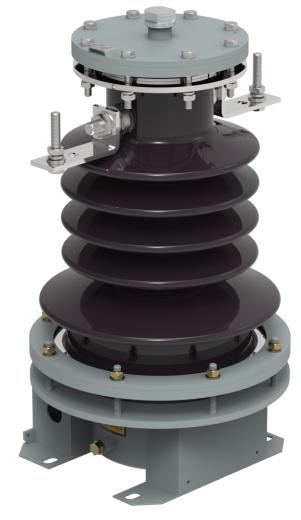
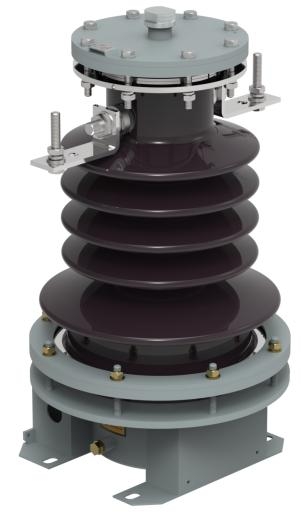
The COL-24 is a 24 kV-class oil-immersed current transformer. When its rated service conditions are satisfied, it can be used for current measurement and energy metering in indoor or outdoor power systems.
Its main technical parameters include:
| Technical Item | COL-24 Product Parameter |
Model | COL-24 |
Rated Voltage | 24 kV |
Rated Secondary Current | 5 A |
Metering Accuracy Class | 0.2S / 0.5 |
Corresponding Rated Output Example | 15 VA / 30 VA |
Insulation Type | Oil-immersed |
Installation Environment | Indoor or outdoor, subject to the specified product service conditions |
Reference Standard | IEC 61869-2 |
The specific primary current ratings and the corresponding short-time thermal current and dynamic current parameters should be determined according to VABO's technical documentation and project requirements.
What Should Be Considered When Purchasing a 24 kV Current Transformer?
Before purchasing, it is recommended to confirm:
- Rated primary current
- Rated secondary current
- Metering accuracy class
- Short-circuit current withstand capability
- Indoor or outdoor installation requirements
- Ambient temperature, humidity, and altitude
- Product overall dimensions and mounting dimensions
For instrument transformers used outdoors, special attention should also be paid to insulation performance, environmental suitability, and maintenance requirements.
5. How to Select a Voltage Transformer for a 22 kV Distribution System
Voltage transformers mainly provide suitable secondary voltage signals for measuring instruments, energy metering equipment, and relay protection systems.
When selecting a voltage transformer for a 22 kV distribution project, the following should be confirmed:
- Rated primary voltage
- Rated secondary voltage
- Accuracy class
- Rated burden
- Insulation level
- Installation environment
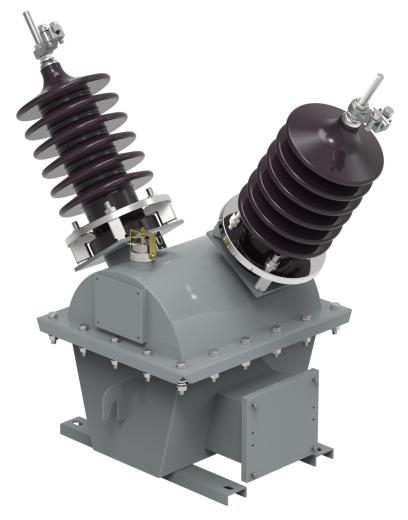
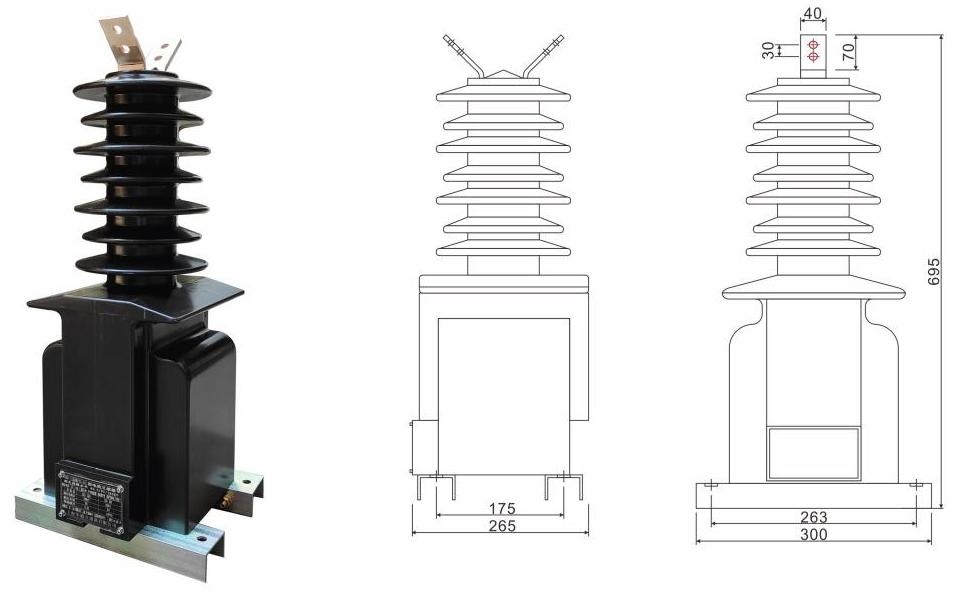
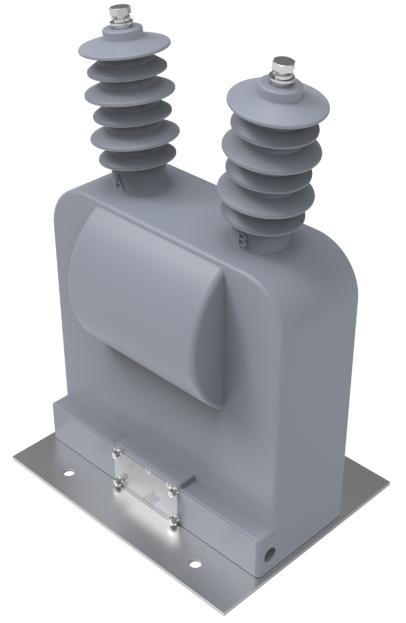
The VABO VOL-24 is an outdoor oil-immersed voltage transformer suitable for medium-voltage power systems that meet its technical requirements.
According to VABO's current product manual, the main parameters are as follows:
| Technical Item | VOL-24 Product Parameter |
Model | VOL-24 |
Rated Voltage Class | 24 kV |
Rated Primary Voltage | 22000 V |
Rated Secondary Voltage | 110 V |
Accuracy-Class Configuration | 0.5 / 1 / 3 |
Rated Output Corresponding to Each Accuracy Class | 50 / 80 / 200 VA |
Rated Insulation Level | 24/50/125 kV |
Installation Environment | Outdoor |
Reference Standard | IEC 61869-3 |
Note: The accuracy classes and corresponding rated outputs shown in the table are different configuration options. They do not mean that the same winding can meet all accuracy classes and output requirements simultaneously.
When purchasing this type of voltage transformer, the power-system grounding method, metering requirements, and protection-function requirements should also be confirmed.
6. How to Choose Between Indoor and Outdoor Instrument Transformers
The installation environment is one of the key factors in instrument transformer selection.
6.1 Indoor Instrument Transformers
Indoor instrument transformers are commonly used in:
- Metal-enclosed switchgear
- Indoor substations
- Industrial distribution rooms
- Low-voltage power distribution assemblies
Some indoor instrument transformers use epoxy-resin cast insulation, providing compact equipment arrangement and insulation performance when operated within their specified service conditions.
6.2 Outdoor Instrument Transformers
Outdoor instrument transformers are generally used in:
- Outdoor substations
- Public utility distribution systems
- Outdoor energy metering installations
For outdoor installations, special attention should be paid to insulation structure, environmental humidity, pollution level, temperature, and other environmental factors.
6.3 Special Considerations for Power Projects in Southeast Asia
Some power projects in countries such as Indonesia, Vietnam, Thailand, Malaysia, and the Philippines may face high temperatures, high humidity, coastal salt mist, or industrial pollution. However, actual environmental conditions vary significantly by country and region, so a single set of environmental assumptions should not replace project-specific data.
Buyers should focus on confirming:
- Actual climate and environmental conditions at the project site.
- Technical specifications of the local utility or engineering project.
- Applicable IEC standards.
- Pollution level and insulation requirements.
- Installation altitude and temperature limits.
- Required technical documents and test records.
Correct instrument transformer selection requires not only matching the voltage level, but also satisfying the complete set of project technical requirements.
7. How to Select a Reliable Instrument Transformer Manufacturer
For OEM buyers, power engineering contractors, and switchgear manufacturers, selecting an instrument transformer supplier should not be based on product price alone.
It is recommended to evaluate the following five aspects comprehensively.
7.1 Is the Product Range Complete?
First, confirm whether the manufacturer can provide the project requirements for:
- Voltage levels
- Current ratios
- Accuracy classes
- Installation types
- Special structures and configurations
A supplier with multiple product series can help customers source instrument transformers for different application scenarios.
7.2 Is the Technical Documentation Complete?
Before purchasing, it is recommended to request the following from the manufacturer:
- Product technical manuals
- Outline and installation dimension drawings
- Wiring diagrams
- Rated electrical parameters
- Applicable test documentation
Complete and clear technical documentation helps reduce errors during product selection and installation.
7.3 Does the Manufacturer Have Appropriate Quality Inspection Capabilities?
Buyers should understand the manufacturer's inspection and testing process and, depending on the specific product requirements, confirm the following inspection items:
- Ratio test
- Accuracy performance test
- Insulation performance test
- Terminal and marking inspection
- Product traceability and identification management
The specific scope of inspection and required documents should be determined according to the product type and technical requirements of the order.
7.4 Does the Manufacturer Support OEM/ODM Customization?
For switchgear manufacturers and electrical equipment suppliers, different projects may have different product requirements, including:
- Current ratio or voltage ratio
- Winding combinations
- Accuracy class and rated burden
- Installation dimensions
- Terminal structure
Specific customization requirements should be confirmed after a feasibility review by the manufacturer's technical team.
7.5 Does the Manufacturer Provide Technical Support and Delivery Services?
Buyers should also understand the manufacturer's:
- Technical communication process
- Product production lead time
- Ability to provide quality documentation
- After-sales service arrangements
These factors are particularly important for overseas power infrastructure and industrial projects.
8. About VABO: An Instrument Transformer Manufacturer from China
Zhejiang VABO Transformer Co., Ltd. is located in Yueqing, Zhejiang Province, China, and specializes in the research, development, and manufacturing of instrument transformers and related power transmission and distribution products.
VABO's main products include:
- Low-voltage current transformers
- Medium-voltage current transformers
- Voltage transformers
- Zero-sequence current transformers
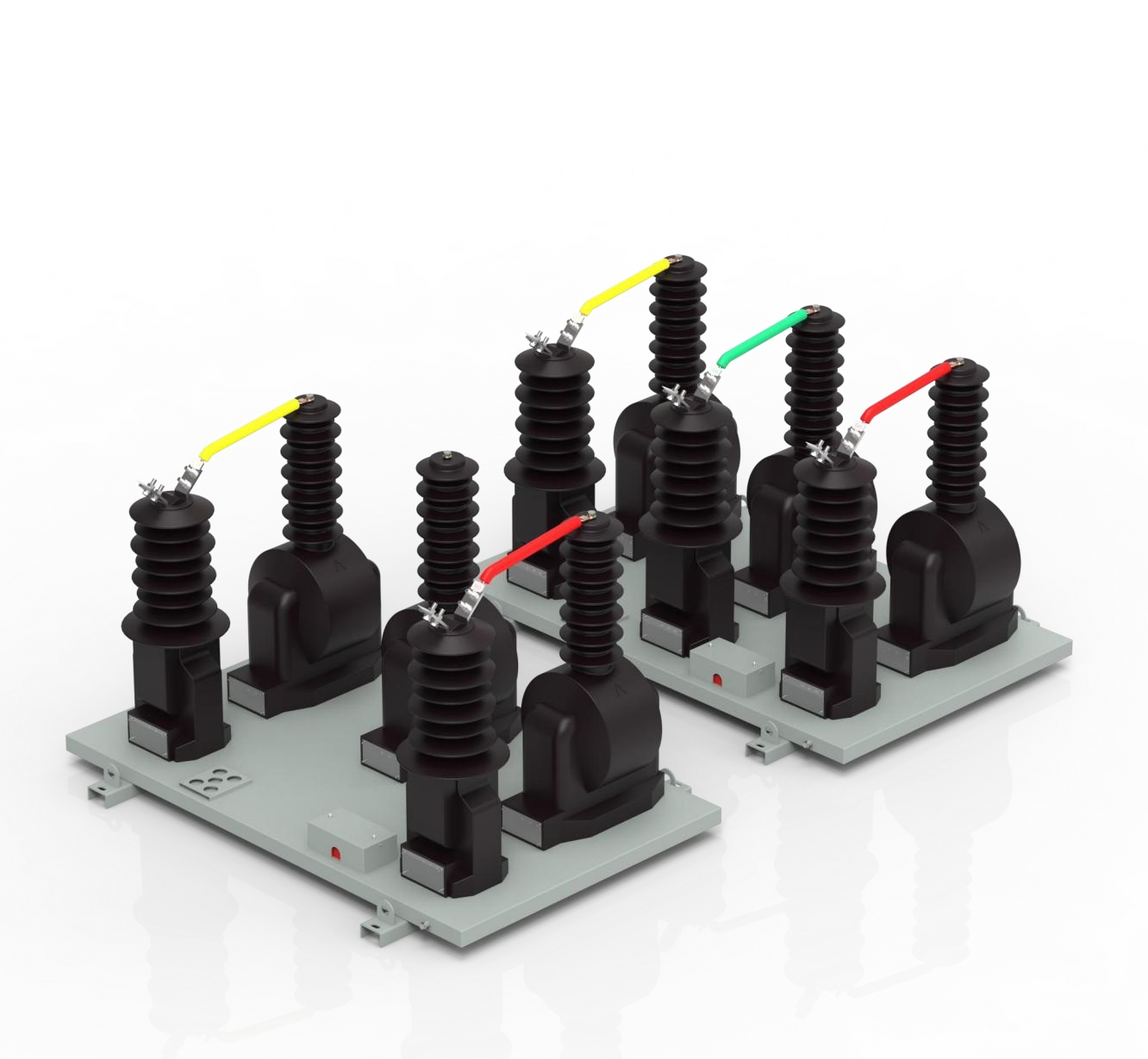
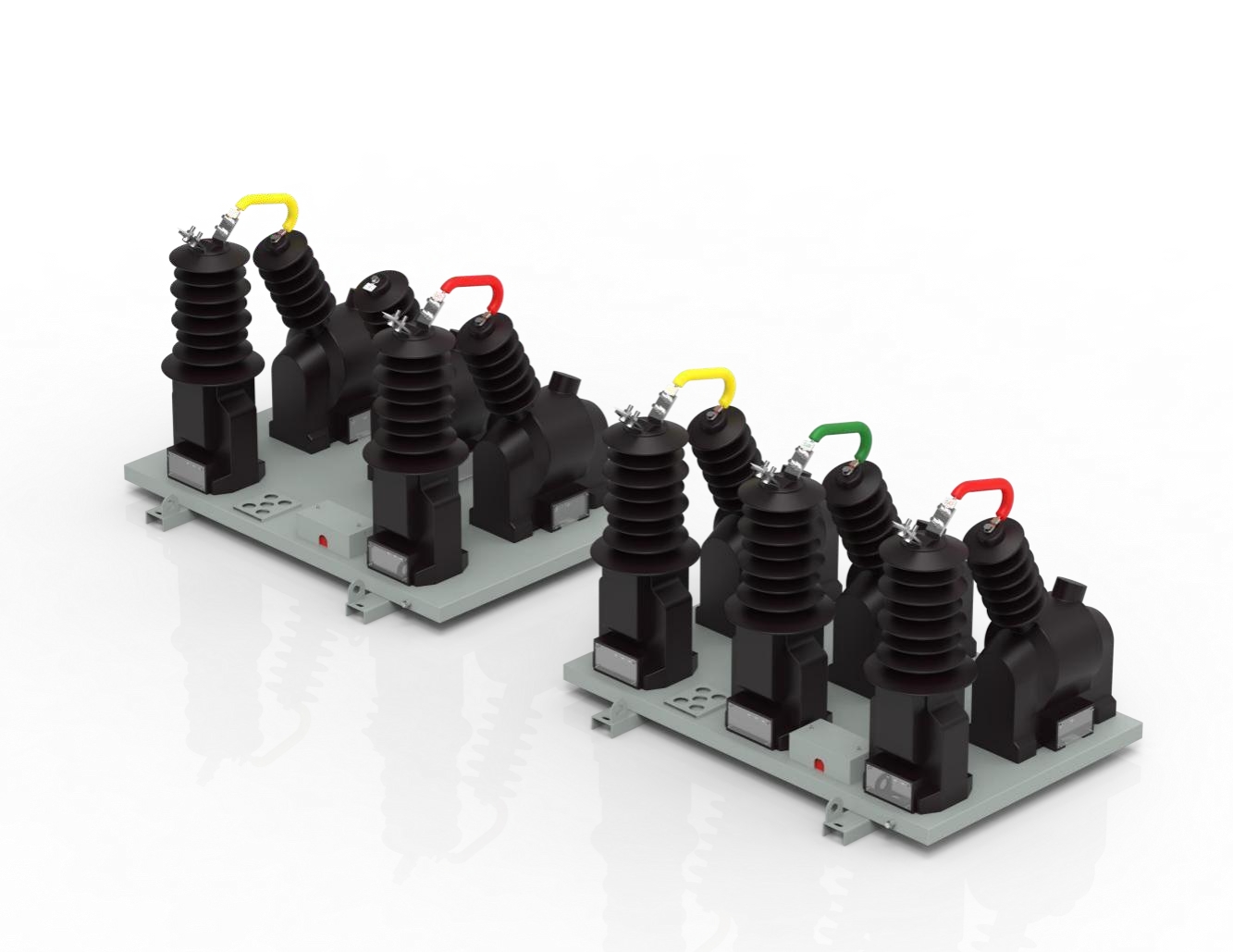
- Combined Instrument Transformers
- Energy metering equipment
- Related power transmission and distribution products
The company also provides OEM/ODM customization, technical consulting, and after-sales service.
VABO instrument transformers cover different voltage levels, installation environments, and measurement requirements. Based on the project technical information provided by customers, VABO can assist with product selection and configuration confirmation.
For overseas customers, VABO can conduct technical evaluations based on specific project specifications and communicate suitable product solutions.
9. Technical Parameter Checklist for Instrument Transformer Procurement
Before requesting a quotation from a manufacturer, buyers are advised to prepare the following information.
| Procurement Information | Example Entry |
Project Country | Indonesia / Vietnam / Malaysia |
Application | 11 kV switchgear / 22 kV distribution system |
Product Type | CT / VT / combined instrument transformer |
Rated Voltage | 11 kV / 22 kV / 33 kV system |
Current or Voltage Ratio | 600/5 A, 22000/110 V |
Accuracy Class | 0.2S / 0.5 / required protection accuracy class |
Rated Burden | 10 VA / 15 VA / other specified value |
Installation Environment | Indoor / Outdoor |
Purchase Quantity | To be determined according to the actual project |
Technical Standard | IEC standards / local utility project specifications |
Delivery Requirement | Delivery time required by the project |
Providing complete technical information helps the manufacturer confirm product suitability more quickly and improves the efficiency of technical communication and quotation.
10. Frequently Asked Questions About Instrument Transformers (FAQ)
Q1: What is the difference between a current transformer and a voltage transformer?
A current transformer converts primary current into a standard secondary current according to a specified ratio, while a voltage transformer converts primary voltage into a lower secondary voltage. Both are used in electrical measurement, energy metering, and relay protection systems.
Q2: What current transformer should be selected for 11 kV switchgear?
A current transformer used in 11 kV switchgear must meet the system requirements for voltage level, insulation level, current ratio, accuracy class, rated burden, short-circuit withstand capability, and installation dimensions.
The VABO LZZBJ9-11 series is a current transformer suitable for corresponding 11 kV indoor power systems.
Q3: Can a 24 kV current transformer be used in a 22 kV distribution system?
When the relevant technical conditions are satisfied, a 24 kV-class current transformer can be used in a suitable 22 kV distribution system.
However, its insulation level, electrical parameters, installation environment, and other performance characteristics must comply with the project technical requirements.
Q4: What accuracy class should be selected for energy metering?
The accuracy class should be determined according to the metering application, technical standards, and actual operating conditions.
Classes 0.2S, 0.5S, and 0.5 are suitable for different metering requirements. The final selection should be based on the project specification and product technical conditions.
Q5: Can instrument transformers be used in hot and humid tropical regions?
Yes, provided that the design and rated service conditions of the specific product meet the actual environmental requirements.
During procurement, confirm that temperature, humidity, pollution level, altitude, and installation conditions comply with the product manual.
Q6: Does VABO provide customized instrument transformers?
VABO provides OEM/ODM customization services.
Customers can submit the required electrical parameters and mechanical structure requirements. VABO's technical team will evaluate them and confirm the available product configurations.
11. Contact VABO for Instrument Transformer Technical Support and Quotations
Are you looking for current transformers, voltage transformers, or Combined Instrument Transformers for a new power engineering project?
Zhejiang VABO Transformer Co., Ltd. (VABO) can provide instrument transformer product-selection support for switchgear manufacturing, substations, industrial power transmission and distribution, and related projects.
To help us understand your project requirements, we recommend providing:
- Project country and application scenario
- Rated voltage
- Current ratio or voltage ratio
- Accuracy class and rated burden
- Installation environment
- Purchase quantity
- Relevant technical drawings or specification requirements
Contact VABO for technical consultation and procurement quotations for instrument transformer products.
Technical Note: Final product selection and configuration should be determined according to the latest confirmed product technical documentation and applicable project standards.