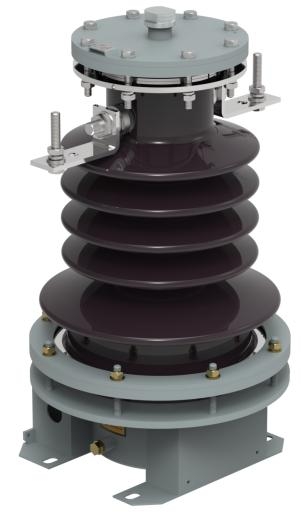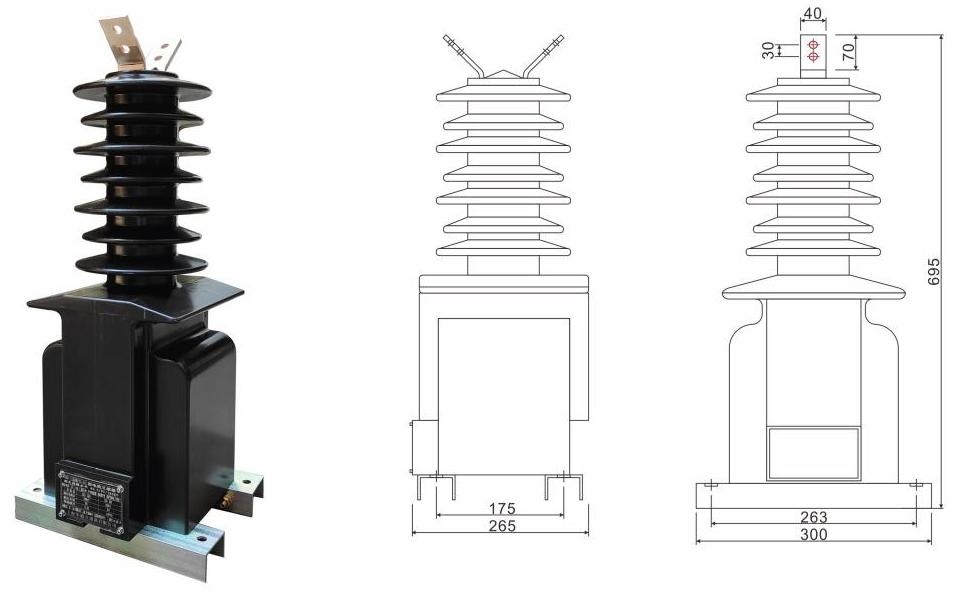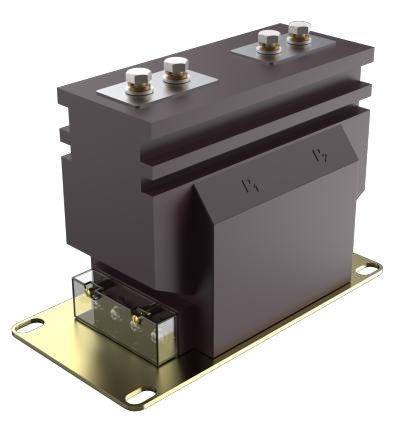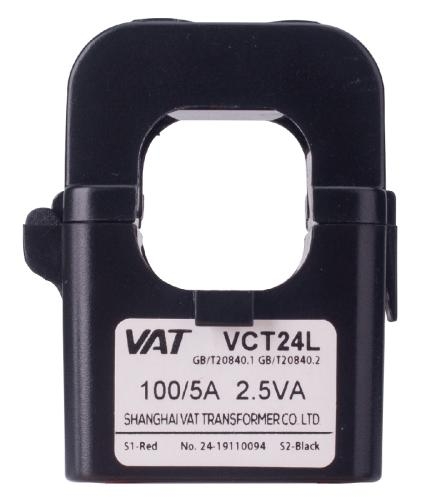
Accuracy class is one of the most important parameters when selecting a current transformer (CT) for energy metering.
Two common classes are 0.2S and 0.5S. Understanding their differences helps engineers and buyers select suitable equipment for power distribution projects.
What Does CT Accuracy Class Mean?
Accuracy class defines the permitted current and phase errors under specified operating and burden conditions.
A lower accuracy class number generally indicates tighter measurement error limits.
For metering CTs, the letter “S” identifies a class with defined accuracy requirements extending into lower current ranges.
0.2S vs 0.5S
A 0.2S CT provides tighter accuracy requirements than a 0.5S CT under the conditions specified by the applicable standard.
Both classes have specified error limits at different percentages of rated current, rather than one constant error percentage across all operating conditions.
Which Accuracy Class Should Buyers Select?
The correct choice depends on:
- Revenue metering requirements
- Expected operating current
- Connected secondary burden
- Applicable utility standards
- Project technical specifications
For applications requiring stricter metering performance, 0.2S may be specified. For other metering applications, 0.5S may be acceptable.
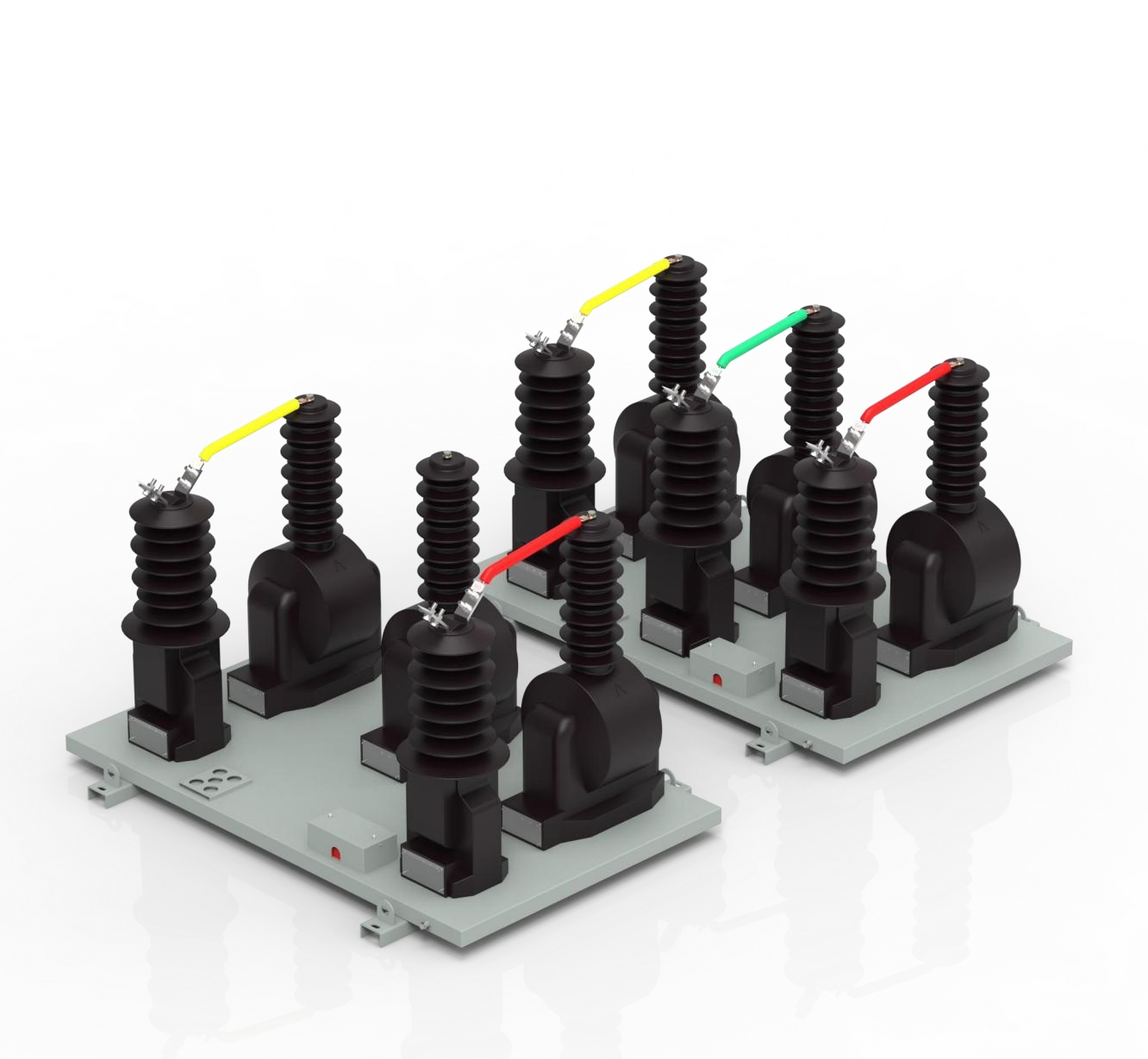
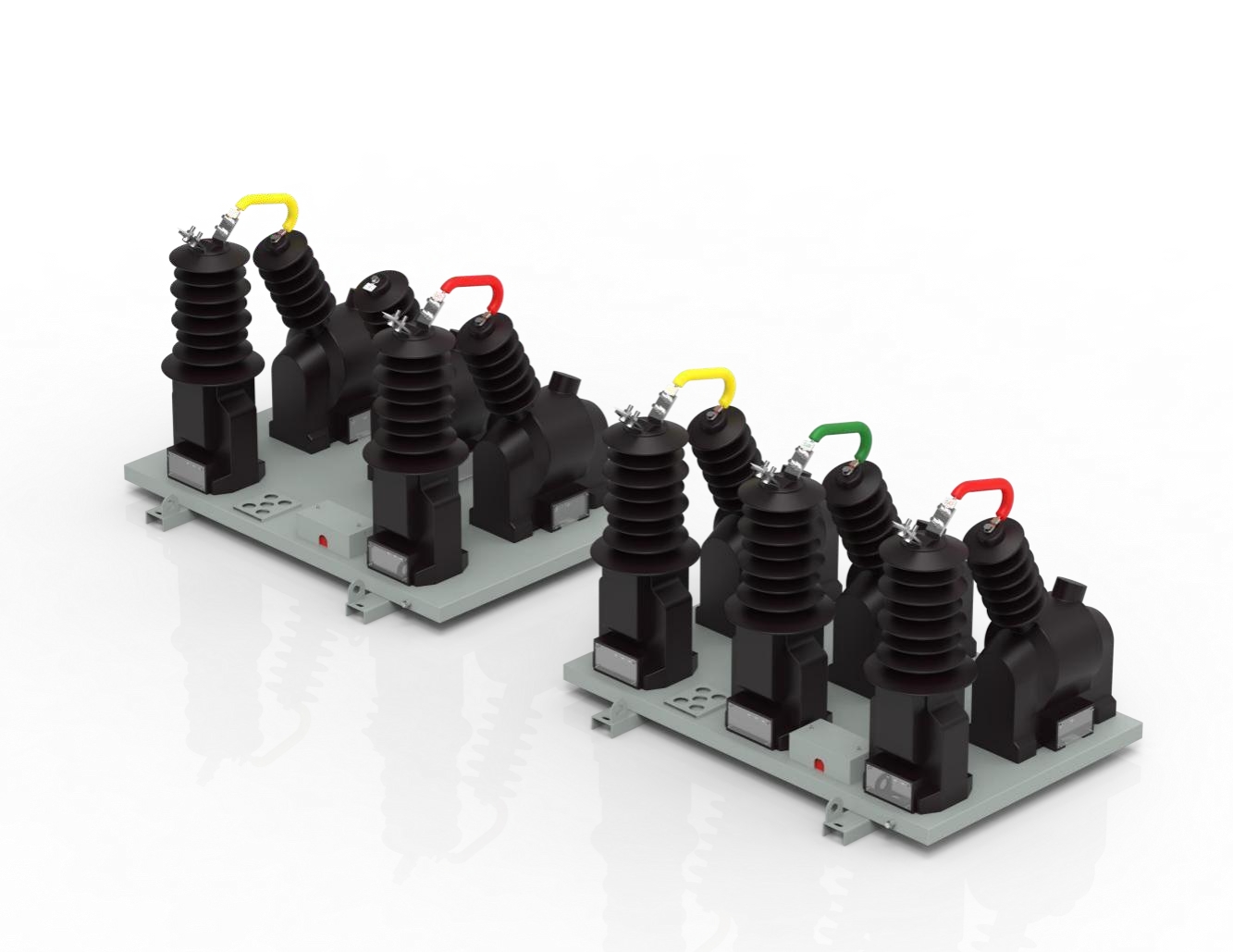
VABO Current Transformer Solutions
Established in 1985, Zhejiang VABO Transformer Co., Ltd. manufactures instrument transformers for electrical distribution applications.
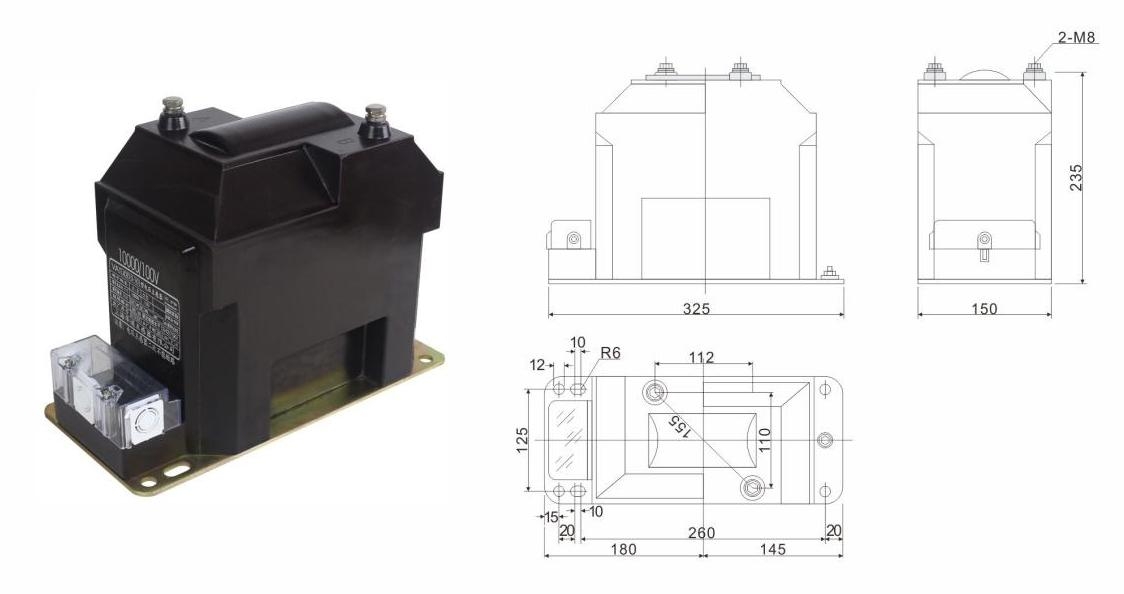
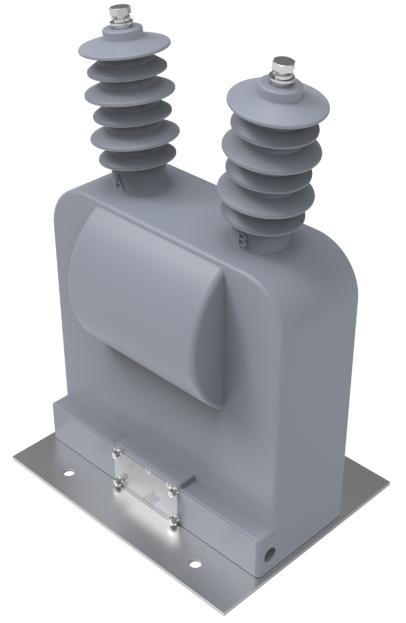
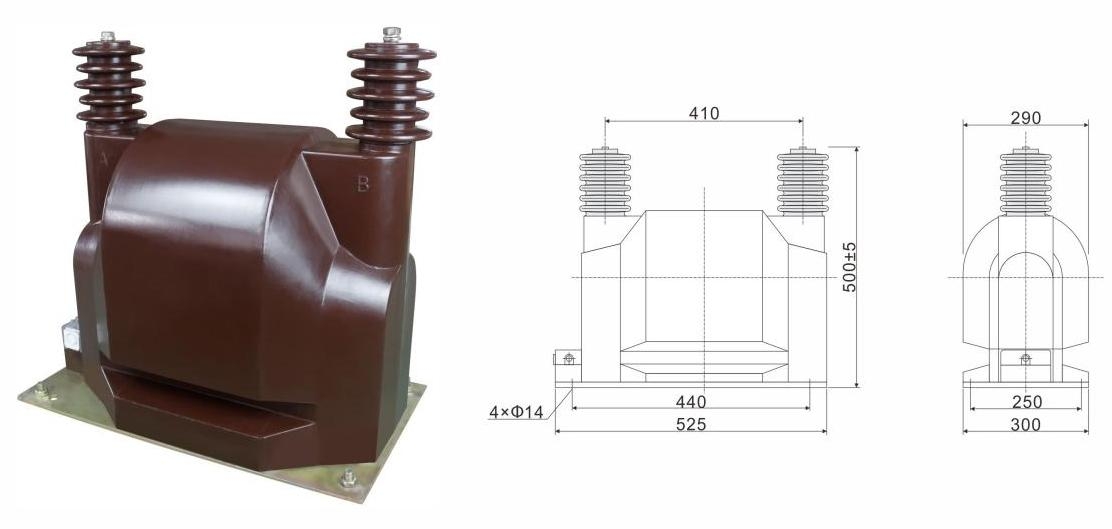
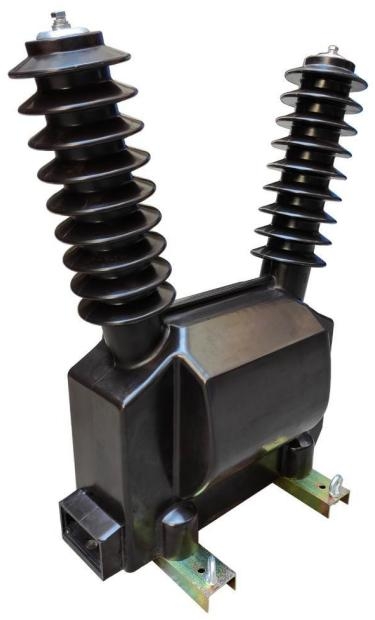
VABO offers current transformer models with different accuracy configurations, including the LZZBJ9-11 and COL-24 series.
Available accuracy classes and burden ratings must be confirmed for each model.
Need a metering CT for your project? Contact VABO with your current ratio, accuracy class, rated burden, and quantity for technical review and quotation.